
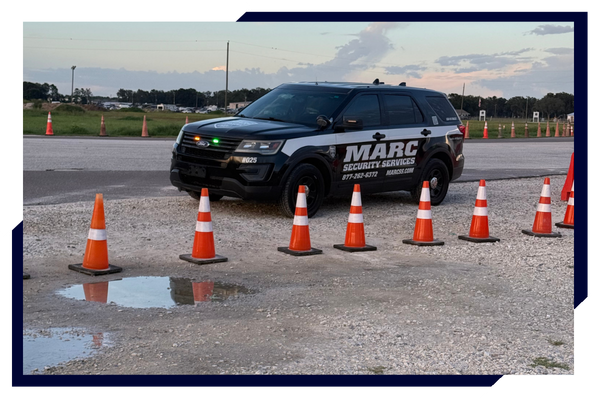
Every property owner in Tampa Bay wants the same outcome: people who feel safe, assets that stay protected, and operations that run without disruption. Getting there takes more than a lock and a camera. The most effective security programs combine trained people, smart patrol strategies, and reliable monitoring into one coordinated plan.
This guide explains how guards, patrols, and monitoring work, where each one fits, and how to build a layered approach that matches your property. If you are researching security services Tampa owners and managers rely on, this is a practical place to start.
Why Layered Security Works Better Than a Single Solution
No single measure covers every risk. A guard at a gate cannot watch an entire parking lot at 3 a.m. A camera cannot greet a visitor or de-escalate a tense situation. A patrol vehicle cannot be everywhere at once.
Layered security solves this by combining strengths. Visible officers deter. Patrols add unpredictability. Monitoring adds eyes and a record. Together, they close the gaps that any one tool would leave open.
The planning mindset resembles the thinking behind Olympic security, where access control, communication, and trained personnel are coordinated so that no layer depends on a single point of failure. Most Tampa properties are far smaller, but the logic scales down well.
Guards: The Visible Foundation of Protection
On-site officers remain the backbone of most programs because people respond to people. A professional guard deters wrongdoing, controls access, answers questions, and takes action when something looks wrong.
Unarmed Officers
Unarmed security guards in Tampa provide a strong, visible presence at offices, retail centers, residential communities, schools, and non-profit facilities. They observe, report, manage visitors, and escalate concerns to the right people. For many properties, this is the right balance of deterrence and approachability.
Armed Officers
In higher-risk settings, armed security Tampa services may be appropriate. Armed officers must be properly licensed and trained, and the decision should follow a risk assessment rather than a guess. A reputable provider will explain the reasoning behind its recommendation instead of defaulting to one option.
Specialized Guard Posts
Guard roles vary by property. Concierge-style officers combine customer service with access control in lobbies. Office security guards manage entry and protect workplaces. Retail officers help reduce theft and keep stores comfortable for shoppers. Choosing the right post type helps your guards fit naturally into daily operations.
Patrols: Flexible Coverage That Keeps Threats Guessing
A fixed post protects one location. Patrols extend coverage across many.
Mobile security patrols involve officers who travel between properties or across large sites, checking doors, gates, lighting, parking areas, and perimeters on scheduled and random routes. The unpredictability matters. Anyone planning to trespass or steal cannot rely on a pattern.
Patrols work well for:
- Gated communities and HOA or CDD neighborhoods
- Shopping centers and commercial plazas
- Warehouses and industrial yards
- Vacant buildings and properties between tenants
- Multi-site owners who need regular check-ins
They also pair neatly with on-site guards. A guard handles the main post while patrols cover the edges, after-hours gaps, and secondary locations.
Monitoring: Extending Your Eyes Around the Clock
Monitoring adds visibility when no officer is standing nearby. It also creates a record that helps with investigations, insurance conversations, and incident reviews.
Mobile Surveillance Towers
Rapid-deploy towers equipped with HD cameras, motion detection, and remote monitoring offer 24/7 coverage without the need for permanent infrastructure. They are especially useful for construction sites, event grounds, parking lots, and temporary or high-risk areas.
CCTV Monitoring and Incident Reporting
Camera systems are most effective when someone is actively watching and ready to act. Combined with alarm response and documented incident reports, monitoring gives owners clear information about what happened, when, and how it was handled.
Fire Watch
When alarm or sprinkler systems are offline, a fire watch officer patrols the property, looks for hazards, and keeps detailed logs. This is a specialized form of monitoring that helps buildings stay safe and compliant during system outages.
Matching Security Services to Your Property Type
The best plan depends on what you are protecting.
Residential and HOA Communities
Residential security services in Florida usually focus on access control, patrol coverage, and a calm, professional presence for residents. Marc Security Services specializes in HOA and CDD security, so communities can build a plan around gates, common areas, and visitor procedures. For more detail, see the residential security services page.
Commercial and Office Properties
Florida commercial security services often combine guards, access control, and patrol checks. Offices benefit from visitor management and lobby coverage, while retail locations benefit from theft deterrence. Retail centers and plazas may add patrols for parking areas and building exteriors.
Construction Sites
Construction security services Tampa FL owners and contractors request typically include after-hours guarding, gate and vehicle logs, patrols, and surveillance towers. Protecting equipment and materials helps keep schedules intact. Learn more on the construction security services page.
Events
Event security services help manage entries, crowd flow, and emergency readiness for corporate gatherings, festivals, and private celebrations. Planning ahead, including roles, communication, and response steps, is what keeps events running smoothly. Explore the event security services page for details.
Industrial and Distribution Sites
Warehouses, manufacturing plants, and distribution centers face risks around theft, unauthorized access, and supply chain disruption. A mix of access control, patrols, and monitoring helps protect inventory and workflows.
How to Evaluate a Tampa Security Company
Many security guard companies in Tampa offer similar services on paper. These checks help you tell them apart:
- Licensing. Confirm that the company and its officers are properly licensed in Florida.
- Training and supervision. Ask how officers are screened, trained, and supported in the field.
- Site assessment. A strong provider walks your property before recommending coverage.
- Reporting. Look for clear incident documentation and regular communication.
- Flexibility. Your needs may change, so choose a team that can scale coverage quickly.
- Local knowledge. Familiarity with Tampa neighborhoods, traffic, and seasonal weather improves planning.
Seasonal risk deserves special attention in Tampa. Hurricane season can create vulnerabilities for vacant or damaged properties, so ask whether your provider offers disaster security services to help prevent looting and unauthorized access.
A Provider With Regional Reach
If you own or manage properties in more than one market, working with a single team can simplify things. Marc Security Services supports Tampa Bay and also covers other regions. You can explore Orlando security guard services for Central Florida and the North Carolina Security Guard site for Charlotte, Raleigh, Durham, Greensboro, and surrounding communities.
For a full overview of what is available in Tampa, visit the how we serve page at marcss.com.
Preparing Before You Call a Security Provider
You will get better recommendations if you arrive prepared:
- List your main concerns, such as theft, trespassing, vandalism, or safety compliance
- Note the days and hours when coverage matters most
- Gather details about entrances, parking areas, and high-risk zones
- Decide whether you need guards, patrols, monitoring, or a mix
- Share any existing security measures already in place
Clear information helps the team design a plan that fits instead of one that merely sounds good.
Conclusion
Protecting a property in Tampa works best when guards, patrols, and monitoring work together. Guards provide visible deterrence, patrols add flexibility and unpredictability, and monitoring extends coverage when no one is on site. The right mix depends on your property type, your risks, and your daily operations.
Whether you are looking for a tampa security company to protect a community, an office, a construction site, or an upcoming event, Marc Security Services can help you build a plan that fits. To start the conversation, visit marcss.com or call (877) 262-6372.
Frequently Asked Questions
- What is the difference between security guards and mobile patrols?
Guards are stationed at a fixed location to control access, deter incidents, and respond on the spot. Mobile patrols travel between locations or across large sites on scheduled and random routes, offering flexible coverage that is harder to predict. - When should a property use surveillance monitoring?
Monitoring is especially useful for construction sites, parking areas, event grounds, and locations that need coverage when no guard is present. It also creates a record that helps with incident review. - Do I need armed or unarmed security guards?
It depends on your risk level, property type, and insurance requirements. Unarmed officers suit many commercial and residential settings, while armed officers may be considered for higher-risk situations. A site assessment will help you decide. - Can one company handle residential, commercial, and event security?
Yes. Marc Security Services offers residential, commercial, construction, event, patrol, and fire watch services, which allows owners with different needs to work with one team. - Does Marc Security Services serve areas outside Tampa?
Yes. In addition to Tampa Bay, the company serves Orlando and Central Florida, as well as major cities across North Carolina.